
Limit furniture pollution
Furniture pollutes your indoor air!
Not all the furniture you find in stores is made from the same material or offers the same quality-to-price ratio. For instance, there's solid wood furniture, or the much more affordable furniture made from reconstituted wood panels (particleboard, plywood, etc.), meaning furniture made from sawdust or sawmill waste.
This second category of products contains mixtures of glue, lacquer, and solvents responsible for the emission of Volatile Organic Compounds (VOCs) that degrade air quality and can impact your health!
31 Volatile Organic Compounds (VOCs) identified in your indoor furniture
During an expert assessment, the National Agency for Food, Environmental and Occupational Health Safety (ANSES) specifically identified 31 Volatile Organic Compounds (VOCs) from furniture products, classified as priority (meaning extremely dangerous), including formaldehyde, one of the most toxic. Other products, such as paints, resins, or varnishes you use to beautify your furniture, further increase the concentration of VOCs in your home... Resulting in severely degraded air quality, without you even realizing it!
Please note: new furniture emits many more VOCs during the first few weeks after its manufacture. Even if you're eager to unpack your new furniture, we advise you to leave it for a while in a well-ventilated area, such as a garage or balcony.
Furniture, pollution, and its effects on your health
Generally, VOCs emitted into your home's air by your furniture are toxic and can cause throat or nose irritation, as well as more serious respiratory pathologies (inflammation, allergies, asthma).
In cases of long-term exposure, these can also cause serious diseases directly affecting the bronchi (chronic obstructive bronchopneumopathy...).

Limiting air pollution from furniture
Most large home furniture manufacturers offer products made from reconstituted wood panels or plywood. In this context, be careful when choosing and maintaining your furniture:
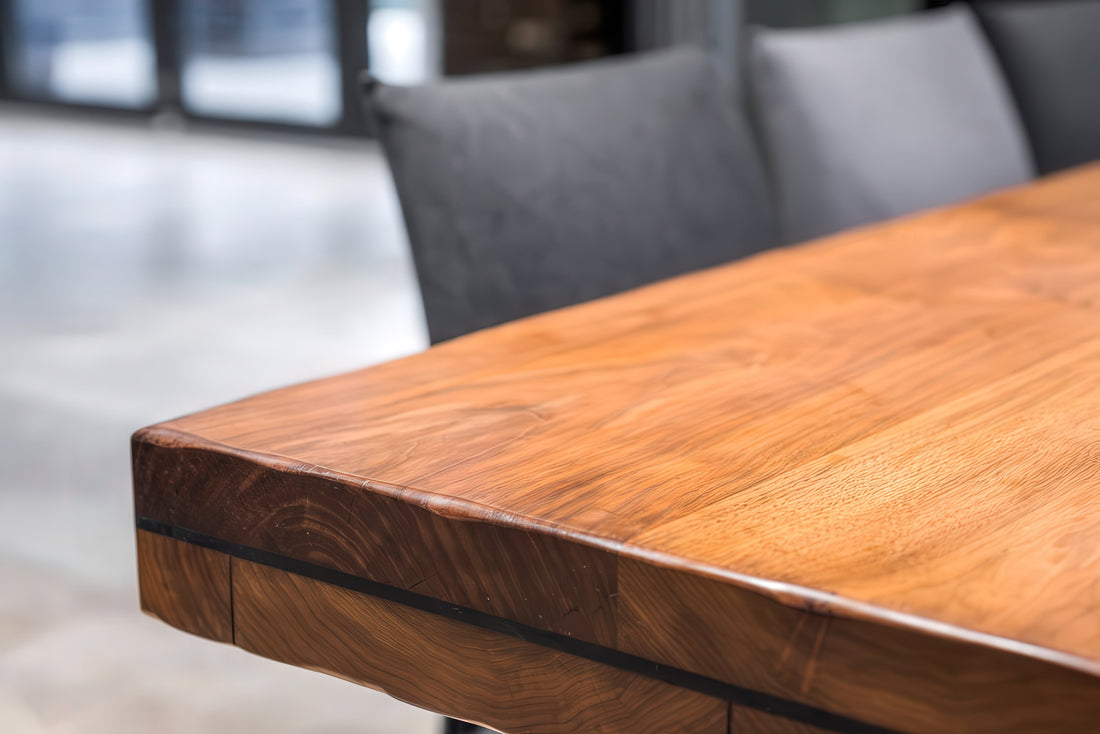
- Prefer solid wood. This raw material also emits formaldehyde, but at a much lower concentration than reconstituted wood.
- To glaze your wood, use a hard oil or natural resin.
- Use paints that produce the least formaldehyde by opting for European environmental labels.
Furthermore, our air purifier captures VOCs and purifies your indoor air. It acts directly on improving air quality, regardless of the pollutants, including those contained in furniture and its components.
In short, it is much better to acquire untreated raw wood furniture, as offered by our partner Simon-Simone.fr or Sommeil Nature, specialists in 100% natural latex bedding. If this type of purchase is not possible, remember to ventilate regularly, especially the rooms where new furniture has been installed. Keep in mind that using our air purifier can help you de-pollute your indoor air thanks to its ability to capture VOCs.
Want to know more about our eco-friendly air purifier?
Our Airpurlabs air purifier effectively reduces the effects of pollution from your furniture and rapidly improves indoor air quality. An eco-friendly and environmentally responsible air purifier, this small pad protects your health from volatile organic compounds emitted by your furniture, such as formaldehyde. Through its air filtration method via adsorption, Airpurlabs uses a unique air purification process to capture indoor air pollutants.
If you also want to purify the air in your home, our experts are at your disposal.
Good news!
- Note that since 2010, home decoration products (varnishes, paints) have indicated their VOC emission index into indoor air, ranging from A+ to C. You can therefore choose the least harmful products to beautify your furniture.
- However, it will be necessary to wait until January 2020 for the labeling of VOC concentration to be effective for furniture.